



- info@prototypeshlh.com
- +86-133-9285-9203
- Room 2003, 20th Floor, Xingji Building, Shangde Road, Shajing Street, Bao'an District, Shenzhen
SERVICES

CNC Machining Service
Tight tolerances and finishing capabilities, as fast as 2 days.

Vacuum Casting Service
Production quality parts without the tooling investment.

Sheet Metal Fabrication
Experience the versatility 6 cost efficiency withflexible application options.

Die Casting Service
Create high quality custom mechanicals withprecision and accuracy.

Injection Molding Service
Production-grade steel tooling, as fast as weeks.

Carbon Fiber Manufacturing
Composite materials, such as carbon fiber reinforced plastics are highly versatile and efficient materials.
Popular Services

Injection Molding Service
A faster, easier way to order high-quality injection molded parts that accelerates iteration, testing, and scaled production. Upload your designs for DFM feedback and pricing in 24 hours.

3D Printing Service
Our 3D printing solutions cater to personalised needs with a diverse range of materials and colour options, including SLA, SLS, FDM, Projet, DMLS, and MJF printing services.

Surface Finishing
The easiest way to source your custom parts, with 15+ surface finishing options.

Design Guide
In-depth design guides full of best practices for all of HLH's manufacturing processes.

Case Studies
Success stories from innovativecompanies using HLH.

Blog
lndustry trends, company news andproduct updates.
Featured Posts
3D Printing vs. CNC Machining: Which is Better for Prototyping?
View more →
The Advantages of Projection 3D Printing for Mass Production
View more →
How to Choose Between Aluminum Alloy Casting and CNC Machining
View more →
What is Vacuum Injection Molding? What Type Suitable for Production?
View more →

About Us
Learn about our company, leadership, and mission totransform manufacturing.

Privacy Policy
Applies to all personal information collected through and/or processed in connection.

Contact Us
Our team is on stand by, waiting to assist you.

Videos
A large collection of educational videos and tutorials.

Aerospace & UAV
HLH is your 3D manufacturing partner from prototype to large scale production.

Consumer Products
New Product Introduction Solutions for Consumer Products.

Automotive
New Product Introduction Solutions for Automotive.

Industrial Machinery
The main purpose of industrial prototyping is to take the product from drawings into the real world.

Robotics & Automation
Need some assistance bringing your robotic device or parts from the sketch-board to reality?

Medical Devices
The medical industry needs high quality, dependable and safe parts and products.

Communications
We understand the demands and ever changing landscape of the communications industry.

Product Development
Industrial design and engineering consultancies are some of the most innovate and creative enterprises on the planet.

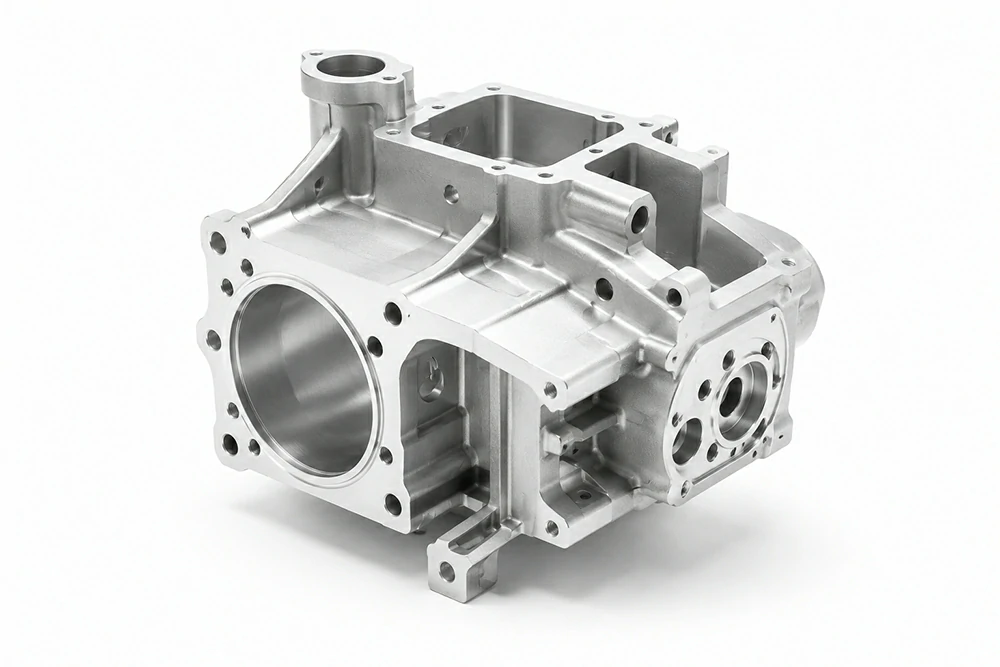
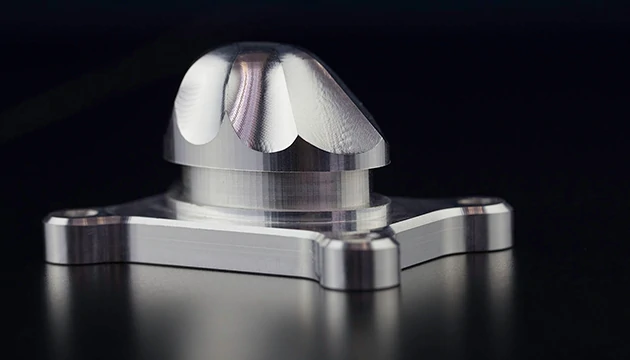
Aluminum alloys are among the most widely used materials in rapid prototyping due to their excellent machinability, lightweight properties, and high strength-to-weight ratio. From aerospace and automotive components to medical devices and consumer electronics, aluminum prototype machining enables engineers to quickly validate product designs before moving into mass production.
Thanks to modern CNC machining technology, manufacturers can produce complex aluminum prototypes with tight tolerances, excellent surface finishes, and fast turnaround times.
In this guide, we'll explore the core processes involved in aluminum alloy prototype machining, discuss common aluminum grades, and explain how to choose the right machining process for your project.
In product development and prototyping, aluminum alloys have become one of the most widely used materials due to their lightweight properties, excellent strength-to-weight ratio, premium metallic appearance, and compatibility with a wide range of surface finishing processes. They are extensively used to manufacture appearance and functional prototypes for industries such as consumer electronics, smart home devices, automotive components, industrial robotics, and automation equipment. As a result, aluminum alloys have become the preferred material for high-precision prototypes in many advanced product development projects.
However, aluminum alloys also present unique machining challenges. Their relatively low hardness and high ductility make them susceptible to scratches, deformation, edge chipping, and inconsistent surface finishes during CNC machining. Achieving high-quality aluminum prototypes therefore requires advanced CNC machining capabilities, optimized machining parameters, and strict quality control throughout the manufacturing process.
Key advantages include:
These characteristics make aluminum suitable for both appearance prototypes and functional testing.
Different projects require different aluminum grades depending on mechanical properties and application requirements.
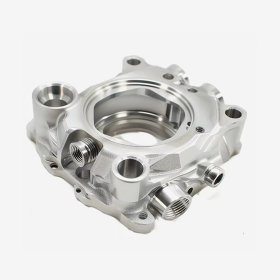
6061 is the most commonly used aluminum alloy for CNC machining.
Advantages include:
Typical applications include:
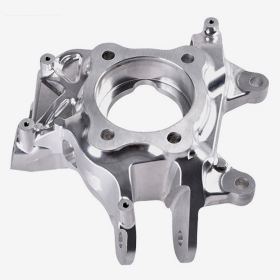
7075 offers significantly higher strength than 6061.
It is commonly used for:
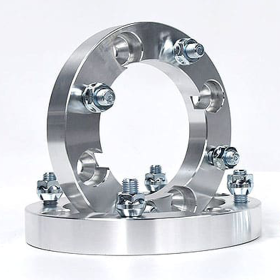
5052 is known for its excellent corrosion resistance and is commonly selected for sheet metal fabrication.
Typical applications include:
Several machining operations work together to produce high-quality aluminum prototypes.
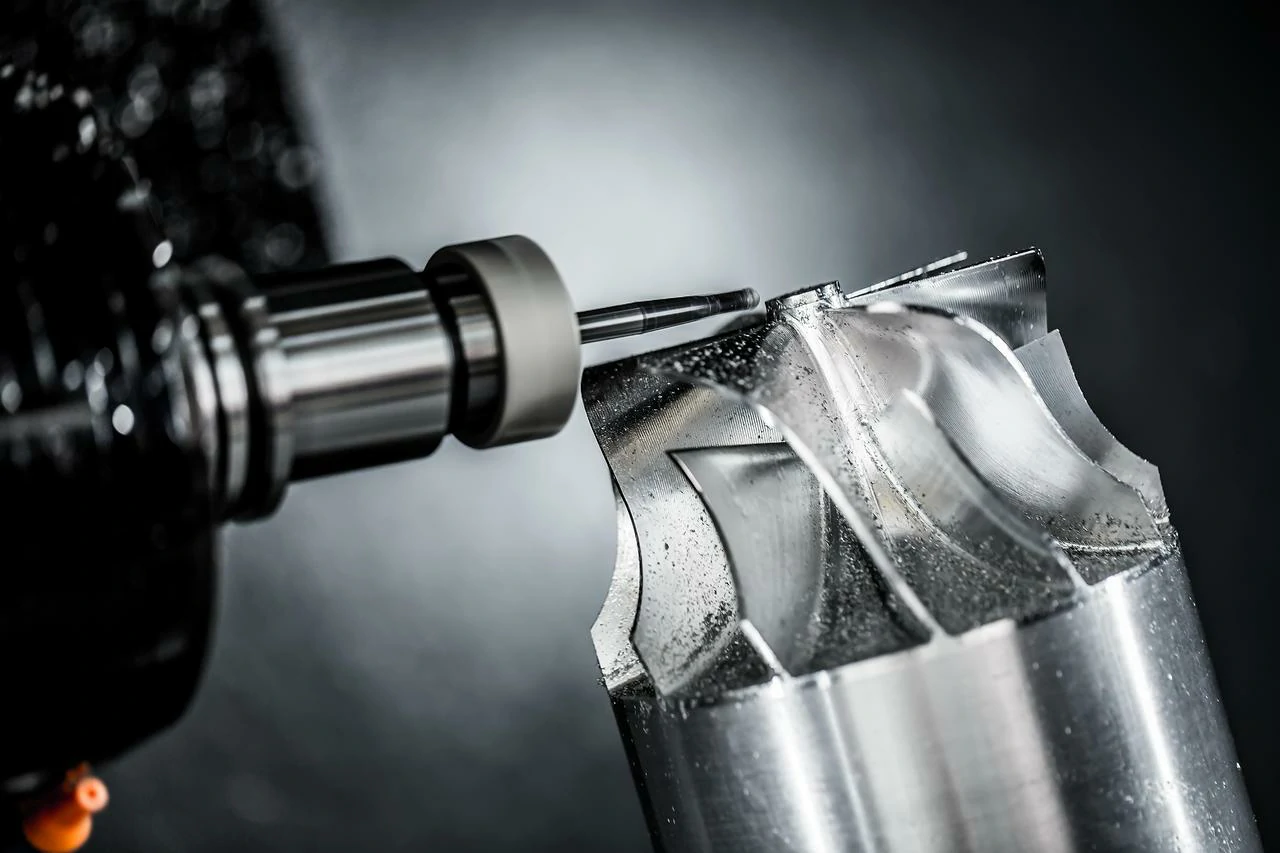
CNC milling is the primary machining process for aluminum prototype manufacturing.
It is used to create:
Modern 3-axis, 4-axis, and 5-axis CNC machines can manufacture highly complex aluminum parts while maintaining excellent dimensional accuracy.
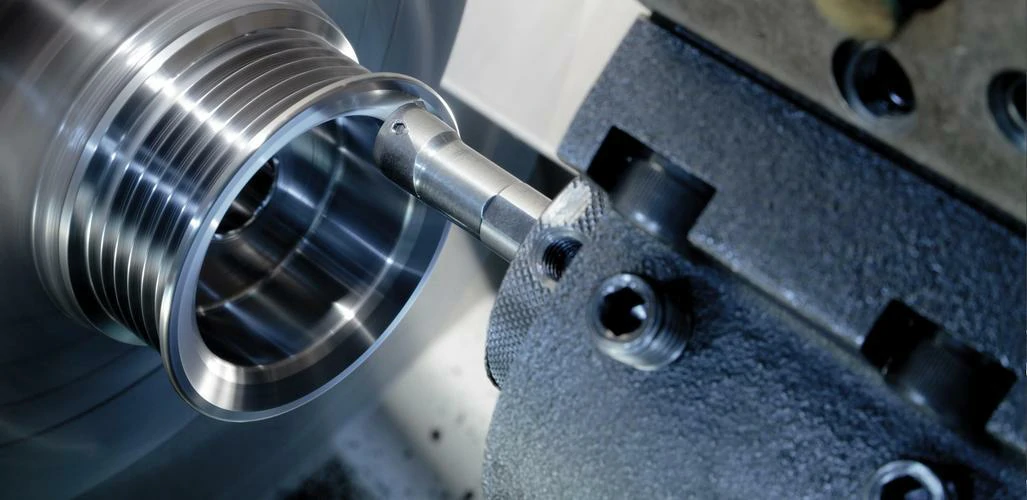
Turning is used for cylindrical aluminum components.
Common applications include:
CNC lathes provide excellent concentricity and repeatability for rotational parts.
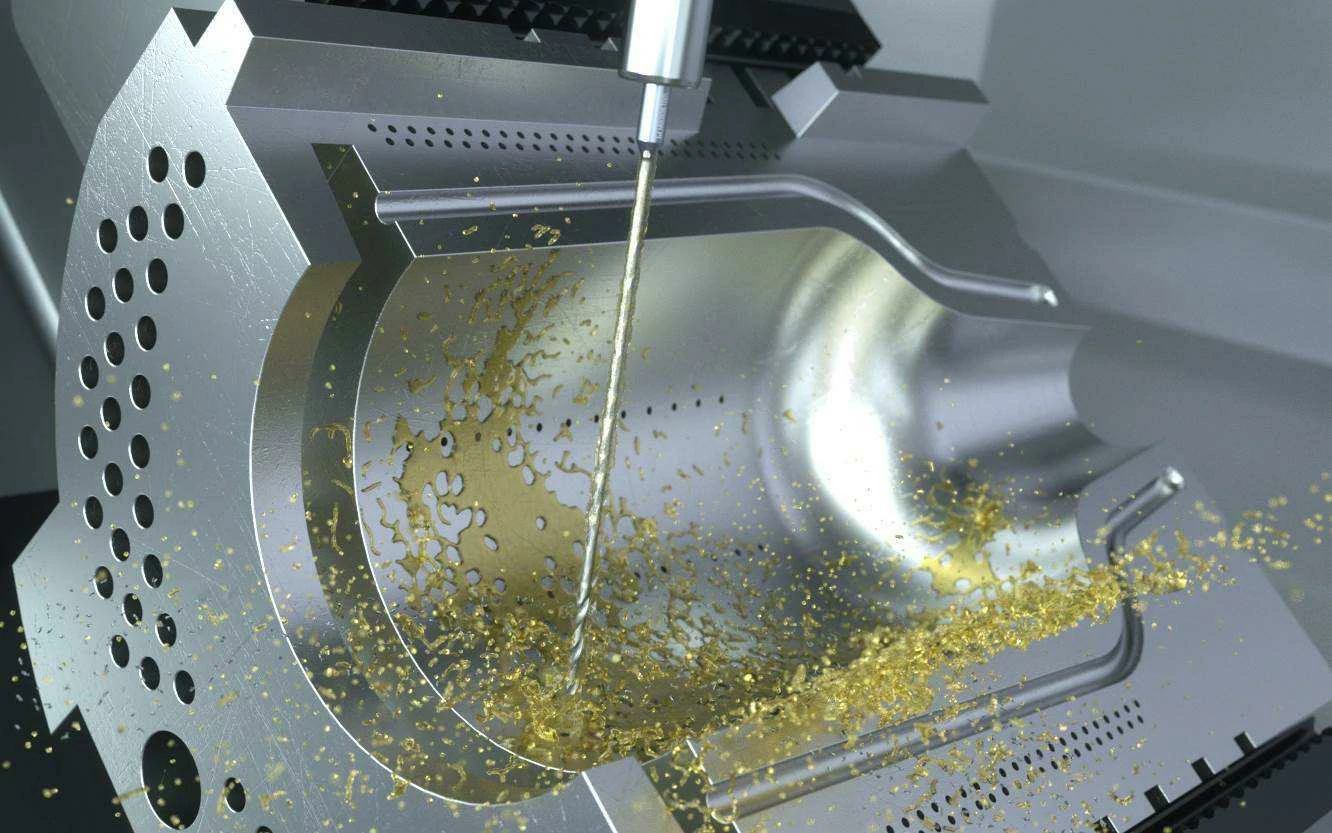
Many aluminum prototypes require mounting holes or threaded features.High-speed CNC drilling and tapping ensure:
Surface treatment is often the final step in aluminum prototype machining.
Common finishing options include:
Anodizing:
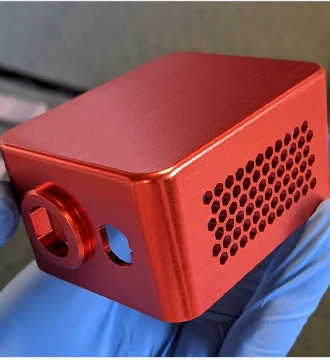
Improves corrosion resistance while enhancing appearance.
Sandblasting:
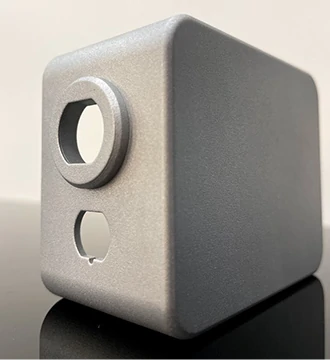
Creates a uniform matte finish.
Polishing:
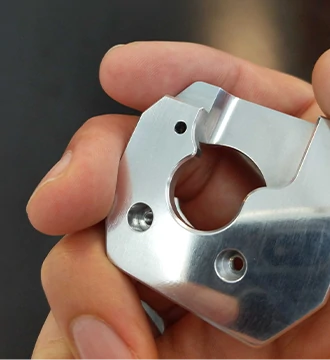
Produces smooth, high-quality cosmetic surfaces.
Powder Coating:
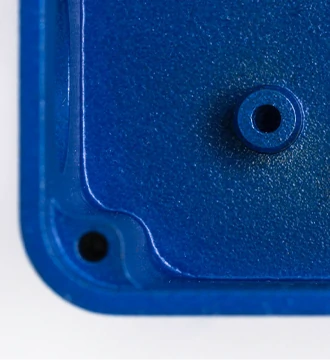
Adds durability and color options.
Choosing the appropriate finish depends on the final application and product requirements.
Prototype machining often requires high dimensional accuracy.
Modern CNC machining can typically achieve tolerances of:
Overly tight tolerances may increase machining time without providing additional value.
Good design practices improve manufacturability and reduce costs.
Consider the following recommendations:
Applying Design for Manufacturing (DFM) principles early can significantly reduce machining time and production costs.
Aluminum alloy prototypes are widely used across many industries.
Examples include:
Compared with additive manufacturing or casting processes, CNC machining offers several advantages:
Because the prototype is manufactured from the same material as the final product, engineers can accurately evaluate performance before mass production.
Choosing an experienced manufacturing partner is just as important as selecting the right material.
A qualified prototype manufacturer should provide:
At HLH Prototypes, we provide comprehensive rapid manufacturing solutions, including CNC machining, injection molding, vacuum casting, sheet metal fabrication, and 3D printing. Our experienced engineering team helps customers optimize designs, select suitable materials, and accelerate product development from prototype to production.
Aluminum alloy prototype machining plays a vital role in modern product development. With excellent machinability, high precision, and versatile material options, aluminum remains one of the best choices for functional prototypes across multiple industries.
By understanding the core machining processes, selecting the appropriate aluminum alloy, and working with an experienced manufacturing partner, businesses can shorten development cycles, reduce costs, and bring products to market more efficiently.
Contact us today for a free quote on your project.
Emali: info@prototypeshlh.com
Phone: +86-133-9285-9203
SERVICES